David Jenkins · 17 October 2026
How Aggregated Resident Reports Fuel Predictive Models for Municipal Maintenance Scheduling
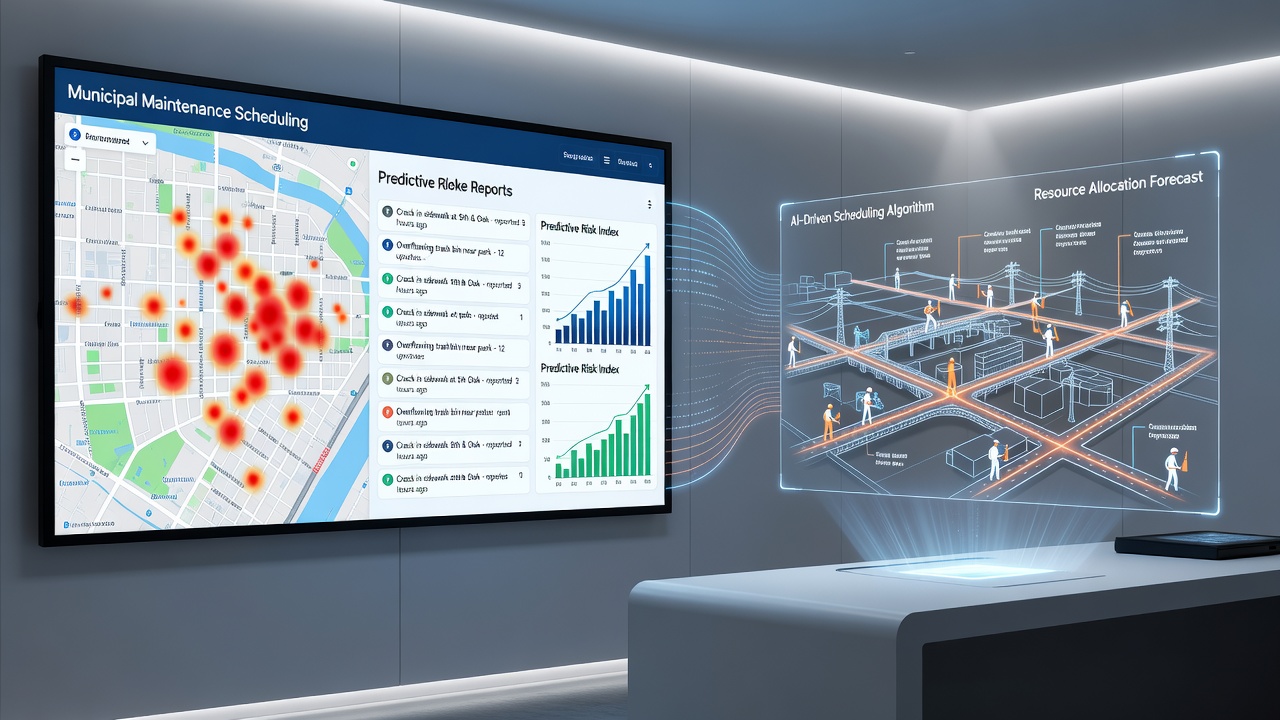
Resident reports submitted through municipal apps and call centers supply the raw material for predictive models that cities rely on to schedule road repairs, sewer inspections, and park maintenance, and data aggregation turns scattered individual complaints into structured datasets that machine learning systems process for early detection of infrastructure failures.
Cities collect these reports through established 311 systems and newer digital platforms where people flag issues like potholes or leaking hydrants with photos and location tags, while aggregation software normalizes the incoming streams by removing duplicates and geocoding entries so analysts can overlay them onto asset management databases that already track installation dates and past work orders.
Data Collection and Initial Processing
Multiple channels feed the same central repositories, and public works departments receive thousands of submissions each month that staff categorize by type and urgency before feeding them into shared databases, whereas integration with weather records and traffic sensor outputs adds context that helps models distinguish between isolated incidents and emerging patterns across entire neighborhoods.
Researchers at several North American universities have documented how combining these citizen inputs with utility billing data improves the accuracy of deterioration forecasts, and the process begins with basic filtering steps that eliminate spam or incomplete entries so the remaining records carry reliable spatial and temporal attributes.
Predictive Modeling Techniques
Once aggregated, the reports train algorithms that identify clusters of complaints around specific pipe segments or pavement sections, and these clusters become features in regression models that estimate remaining useful life for each asset, while random forest and gradient boosting methods further refine the outputs by weighing report volume against historical failure rates recorded by maintenance crews.
Engineers adjust model parameters when new data arrives, and the systems generate prioritized work lists that dispatch crews to locations showing elevated risk scores weeks or months before visible damage appears, although human supervisors still review the recommendations to account for factors the algorithms cannot yet capture.

Implementation Examples Across Regions
In October 2026 several mid-sized Canadian municipalities expanded their platforms to include real-time sensor feeds alongside resident reports, and the combined datasets allowed planners to shift from reactive repairs to scheduled interventions that reduced emergency callouts by measurable percentages according to internal performance metrics, while similar programs in Australian local councils have linked complaint density maps directly to capital improvement budgets.
European transport authorities have published case studies showing how aggregated feedback from cyclists and pedestrians helped refine models for sidewalk and bike lane upkeep, and the resulting schedules aligned more closely with actual usage patterns than traditional inspection cycles that relied solely on fixed intervals.
Integration with Existing Municipal Systems
Departments link the predictive outputs to work order management software so that crews receive assignments already sequenced by location and required equipment, and this integration cuts administrative time while giving budget officers clearer projections of material needs for upcoming quarters, although data quality remains dependent on consistent resident participation across all districts.
Training programs for city staff emphasize how to interpret model confidence intervals and how to feed verified outcomes back into the system as labeled examples that improve future predictions, and cross-department data sharing agreements ensure that parks reports inform tree maintenance schedules while street lighting complaints contribute to energy efficiency calculations.
Conclusion
Aggregated resident reports continue to expand the feature sets available to municipal predictive models, and ongoing refinements in data fusion techniques allow cities to allocate limited maintenance resources with greater precision than earlier calendar-based approaches permitted, while the addition of October 2026 platform upgrades in multiple regions demonstrates how incremental integration of citizen inputs with sensor networks sustains the cycle of model improvement.